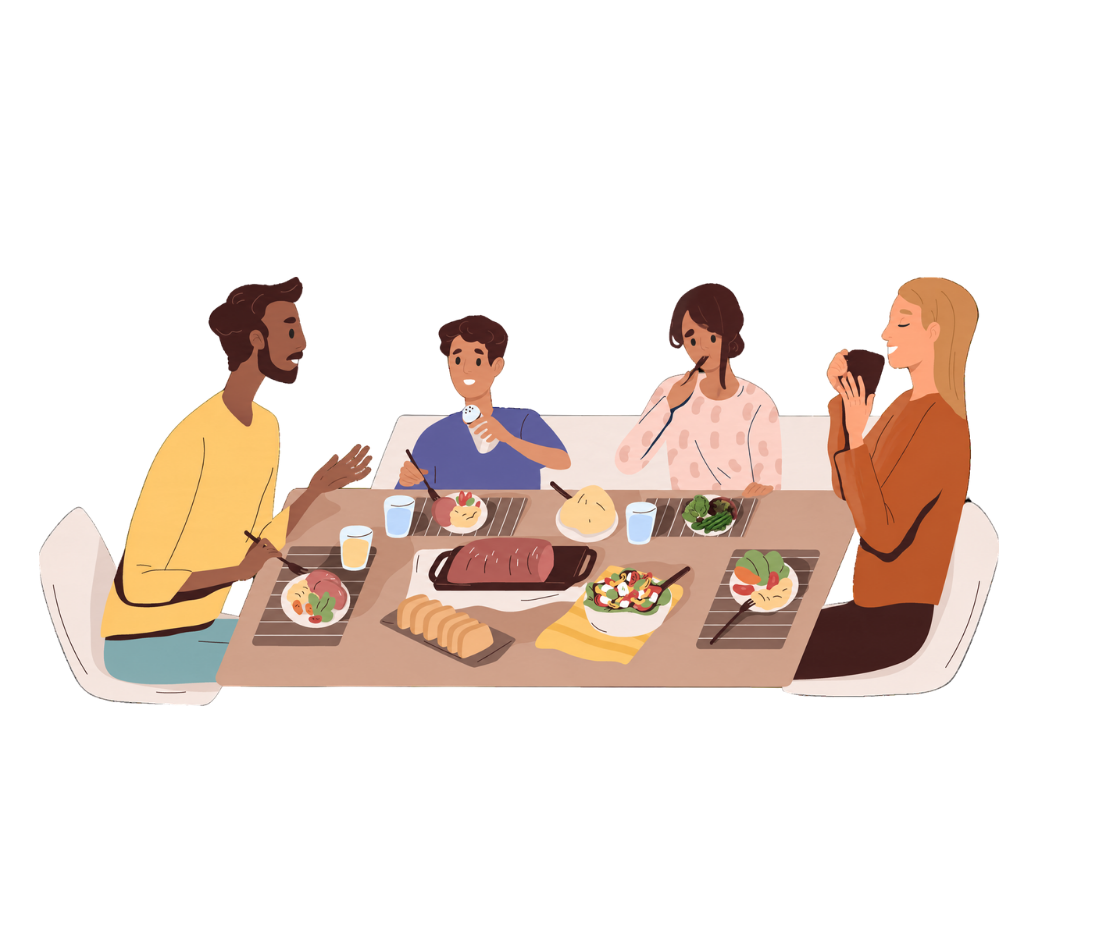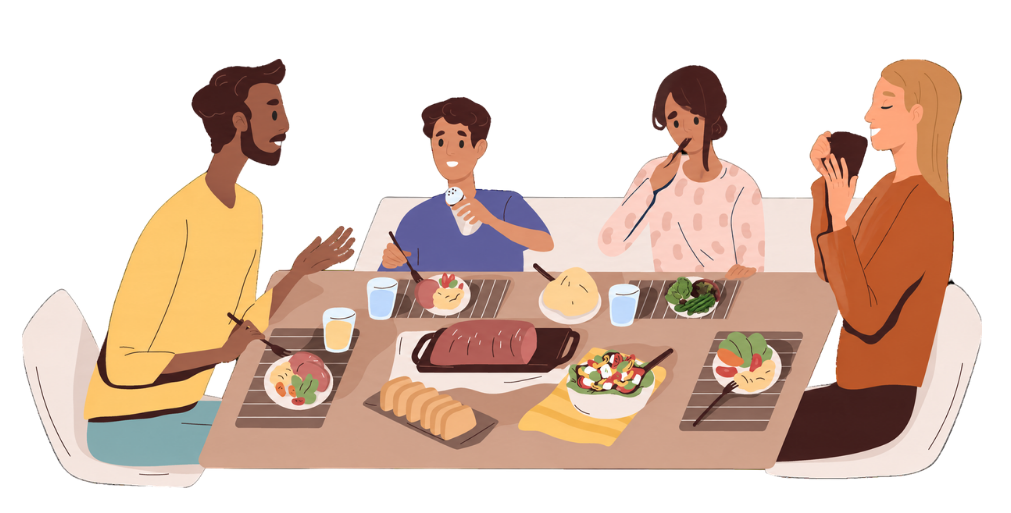
As a parent or caregiver, you put so much care into supporting your loved one’s health and well-being. You celebrate their accomplishments, help them navigate challenges, and want them to feel confident and comfortable in themselves. So, when they express an interest in “eating healthier” or becoming more active, it can sound like a positive step. And sometimes it is. But other times, these seemingly healthy habits can become a source of pressure, anxiety, or increasingly strict expectations.
The difference isn’t always easy to recognize. Healthy habits generally allow room for flexibility, social connection, and openness. But when food or exercise becomes surrounded by strict rules, secrecy, or fear, it may be a sign that something deeper is going on. Can your loved one enjoy a meal with friends, adapt when plans change, or take a rest day without feeling guilty or anxious? Do they feel comfortable eating any kind of food in front of others, or do you notice them eating in secret or hiding certain foods?
Having food preferences or exercise routines doesn’t automatically mean someone is experiencing disordered eating. What deserves attention is when these behaviours become difficult to change, driven by guilt or fear, or begin affecting emotional well-being, how someone sees themselves, and their everyday life.
Understanding Disordered Eating
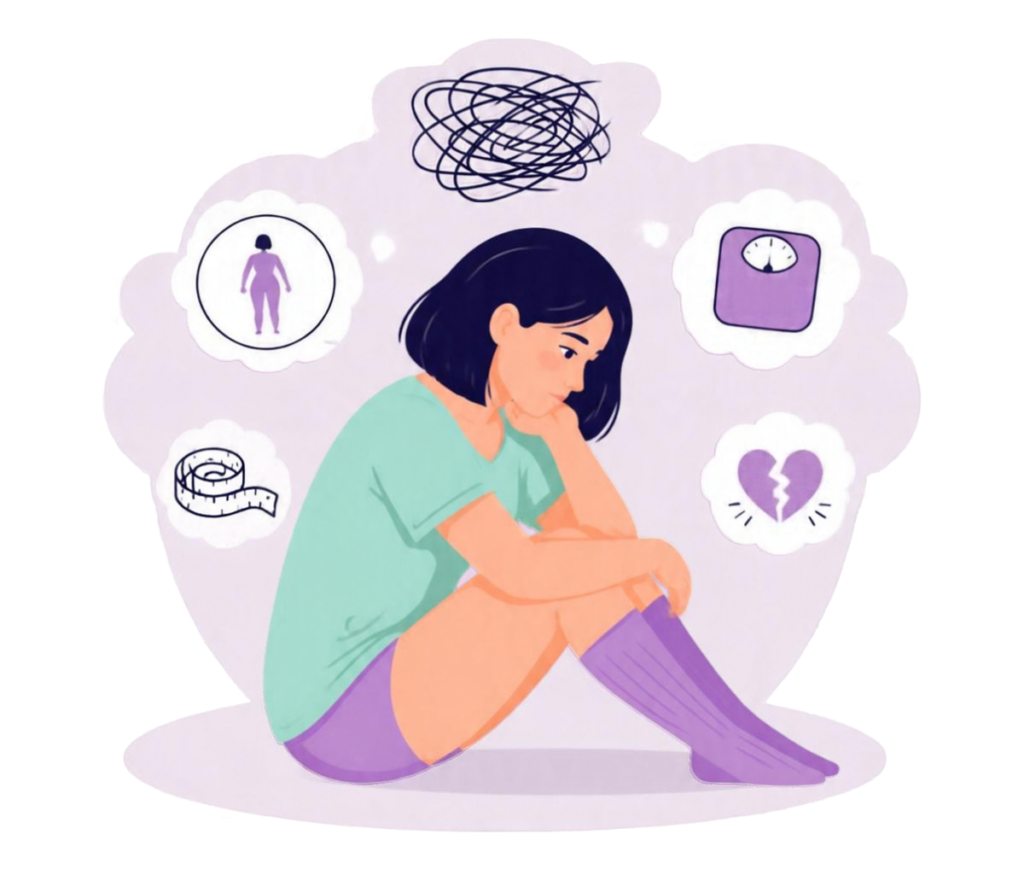
Disordered eating and eating disorders aren’t quite the same thing. Disordered eating refers to a range of behaviours, such as restrictive food rules, anxiety around meals, or eating past full, that may not meet the criteria for a diagnosed eating disorder.
While disordered eating doesn’t always develop into an eating disorder, these behaviours can still affect someone’s physical and emotional well-being and often affect how someone sees themself. Recognizing the signs early and seeking support can help prevent concerns from becoming more serious.
Here are five signs that your loved one’s relationship with food, exercise, or their body may be becoming unhealthy.
1. Food Rules Are Getting Stricter

Notice if your loved one begins skipping meals, eliminating entire food groups, labelling foods as “good” or “bad,” or becoming increasingly particular about what, when, or how much they eat. They may also become secretive about their eating habits or distressed when they can’t follow their usual routines. You will want to pay attention if eating food is bringing up a lot of shame and/or causing them to feel insecure or question their worth.
Making changes to eating habits isn’t necessarily a cause for concern. What deserves attention is a growing pattern of restriction, secrecy, or anxiety when those rules can’t be followed.
2. Body Image Concerns Are Increasing
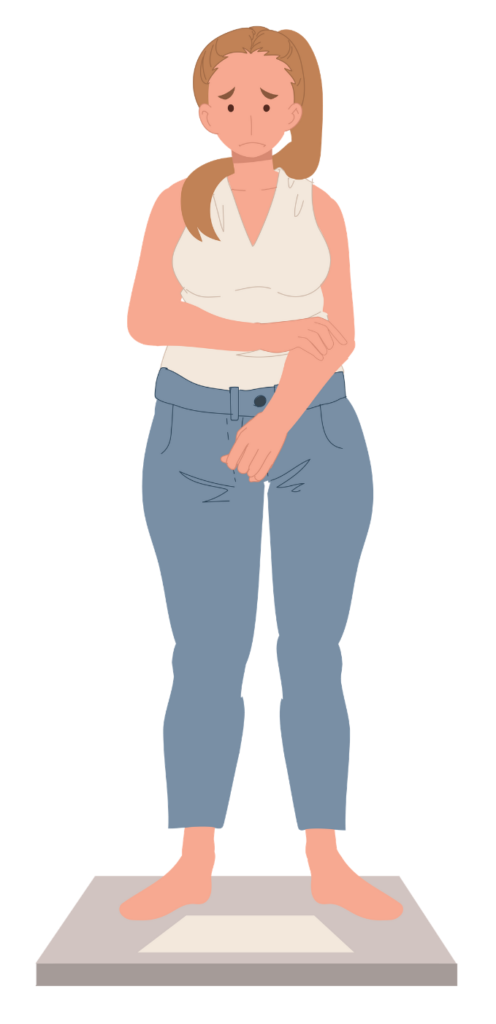
Notice if your loved one begins making frequent negative comments about their weight, shape, or appearance, or comparing their body to others, whether online or in person. Also notice if they ever report feel judged or shamed for their weight, shape or appearance, and get curious about how they are making sense of those experiences.
Occasional body dissatisfaction isn’t uncommon, but when negative thoughts become persistent, cause distress, or begin influencing everyday behaviours, they deserve a closer look.
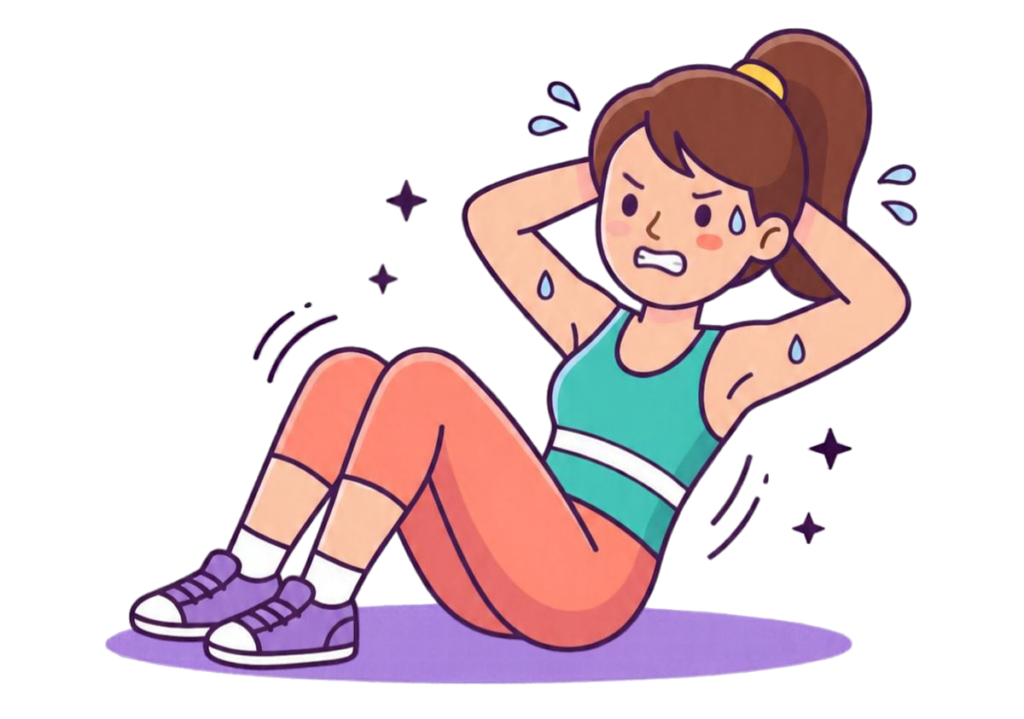
3. Exercise Becomes A Central Focus
Notice if your loved one becomes anxious or guilty about missing a workout, feels compelled to exercise to compensate for eating, suddenly increases the frequency or intensity of exercise, or struggles to take rest days. They may begin exercising in secret or increasingly rely on physical activity for a sense of relief, control, or self-worth.
Enjoying exercise isn’t the concern. It’s when physical activity becomes difficult to step away from, even when rest is needed, that it deserves attention.
4. Eating Comes With Guilt, Fear, or Avoidance
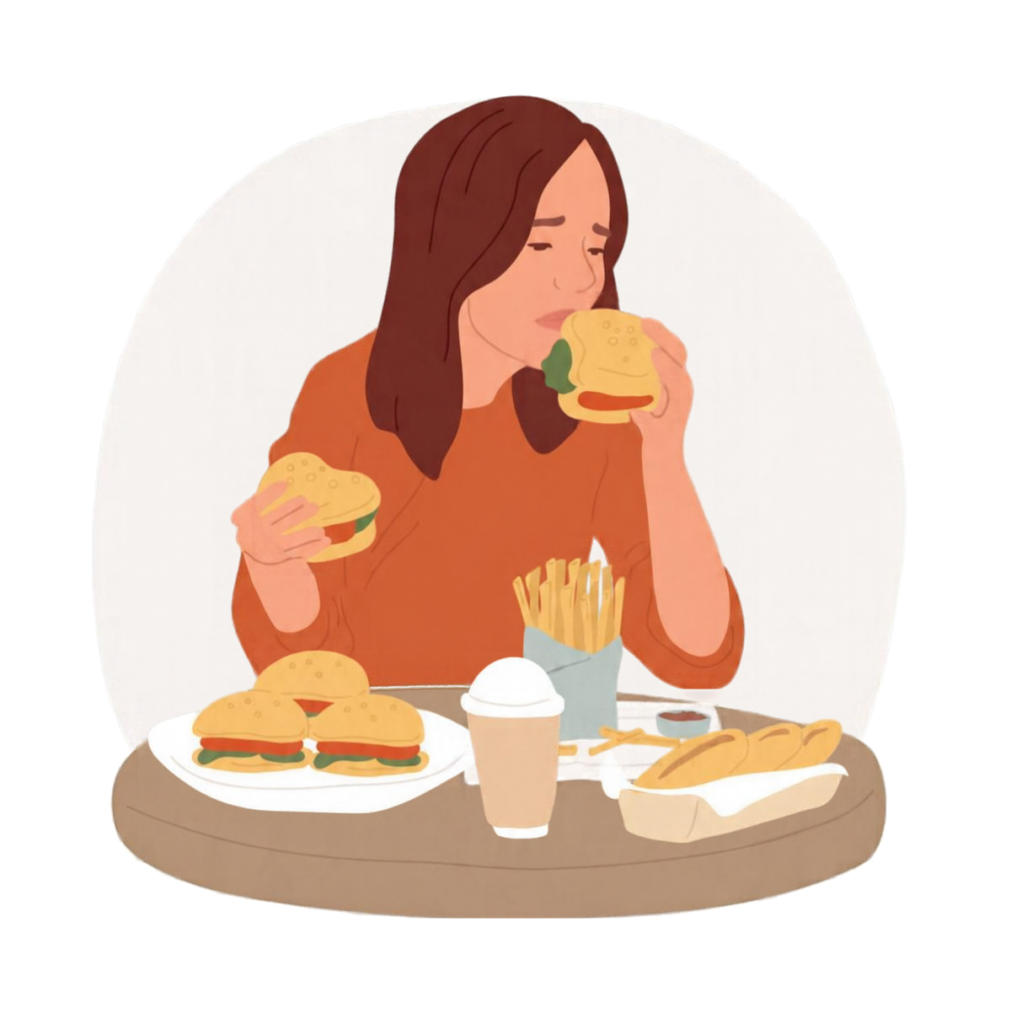
Notice if your loved one expresses guilt after eating, becomes anxious around certain foods, or begins avoiding family meals, celebrations, and social gatherings because of the food involved.
Alternatively, you will want to notice if your child seems to be turning to food consistently as a way of coping with stress or their emotions and frequently reports that the only way they feel better is if they have their favorite foods. Food plays an important role in our emotions, we often eat when we are happy, or have had a hard day, or are celebrating something. This is normal and healthy. We want to be mindful however if food, or the absence of food, feels like a tool for avoiding processing or working through feelings.
Occasional changes in appetite or food preferences aren’t necessarily concerning. But when eating becomes a source of ongoing distress, secrecy, or social withdrawal, it may signal something deeper.
5. There Are Noticeable Shifts in Mood or Energy
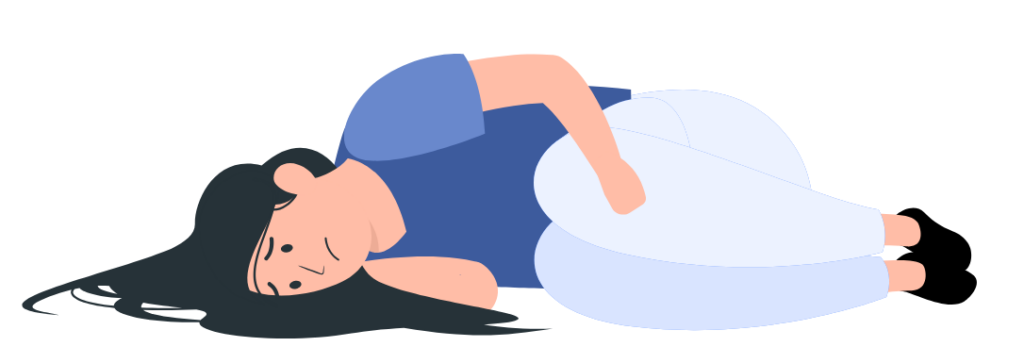
Notice if your loved one seems increasingly withdrawn, irritable, anxious, or low in mood. They may experience persistent fatigue, difficulty concentrating, or noticeable changes in their usual energy levels.
While these changes can have many causes, particularly when they appear alongside changes in eating habits, body image, or exercise behaviours, they may indicate that additional support is needed.
When to Reach Out for Support
Recognizing the difference between healthy habits and disordered eating isn’t always straightforward. Often, it’s not the behaviour itself but the thoughts, emotions, and distress surrounding it that signal a deeper concern.
It’s also important to remember that eating disorders can affect people of every age, gender, body size, and background. You cannot determine whether someone is struggling simply by looking at them.
If you’re concerned about your loved one, approach the conversation with curiosity and compassion rather than focusing on their appearance or food choices. Let them know you’ve noticed changes and that you’re there to listen without judgment. You don’t need to have all the answers to offer meaningful support.
You also don’t need to wait for things to become more serious before reaching out for help. Contact your primary care physician, school counsellor, student health centre or any person you feel comfortable with to discuss your concerns.
Looking Glass Foundation is here to help. We believe everyone deserves access to compassionate, non-judgmental disordered eating supports. You don’t need a diagnosis or a referral to access our programs.
If you suspect that your loved one might be struggling and/or you would like to be better equipped in supporting their needs, we encourage you to check out our Resources page to learn more.

About the Author: Kaela Scott is Looking Glass Foundation’s Director of Clinical Services and operates a private counselling practice with a passion for eating disorder recovery. She believes deeply in meeting people where they are in their recovery journey and creating a compassionate, non-judgmental space where individuals feel supported and understood. Outside of work, Kaela enjoys spending time with her family, exploring nature, and drinking plenty of tea.


For residential treatment facility
information contact the
Looking Glass Residence:
Phone:
604.829.2585
Fax:
604.829.2586
Toll Free:
1.888.980.5874