Welcome to the blog space of the Looking Glass community, where we post our own and others’ reflections and perspectives on eating disorder issues, journeys of recovery, and other helpful tips and tools.
A Warm Welcome To Our New Executive Director: Susan Climie
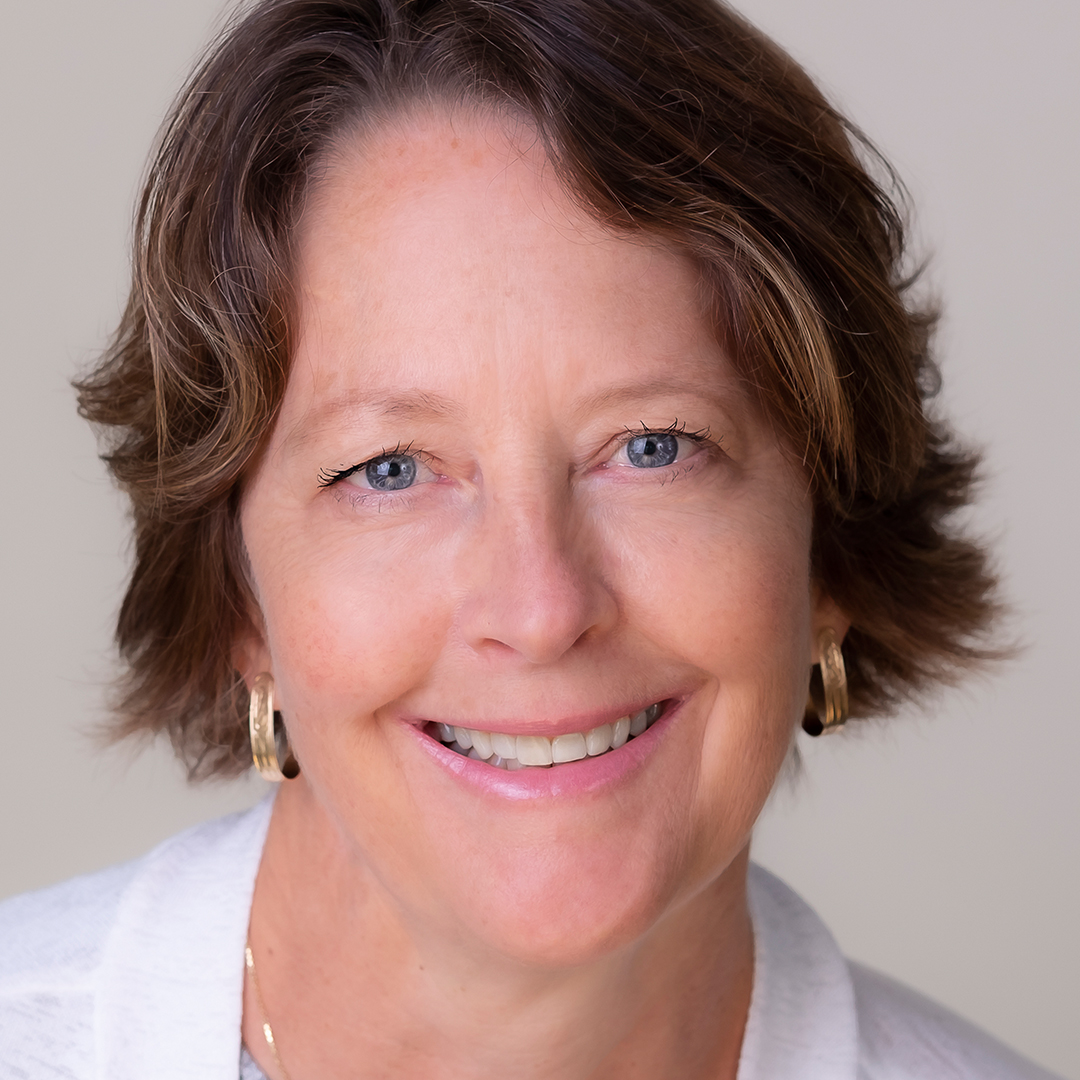
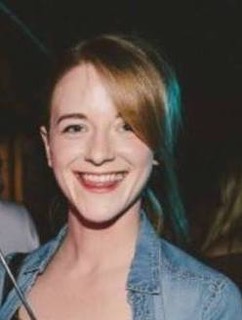
Please join us in welcoming Susan Climie to the Looking Glass Foundation community! Susan comes to her new role as Executive Director with over 15 years of non-profit and leadership experience. We are so excited to have her as part of our dedicated LGF team.
Burnout is what happens when we burn the candle at both ends and the stress from doing so physically, mentally and emotionally exhausts us. It has an impact on our overall wellbeing and makes typical engagements feel arduous and unfulfilling. During the summer months, it is not uncommon for people to overschedule themselves in ways that can leave them feeling depleted and that can make focusing and working on recovery really difficult. Here are some ideas on how to avoid summer burnout.
LGF community member, Jenna, reflects on lessons learned and strengths gained in the 6 years that have past since stepping into Woodstone Residence (now Looking Glass Residence) and how far she has come in her recovery journey. "I learned that choosing recovery is enough. But I have to choose it all the time. I need to choose it in times of strength so that when challenges arise I have already committed to recovery."
We sat down with Stacey to get her reflections about her time at LGF, her insights into the opportunities for the eating disorder community, and her vision for the future for mental health as a whole. We are sure her encouraging and bold words will inspire you, as they have unquestionably inspired us.
We know there is a correlation in teenagers between dieting and eating disorders, and we know that Weight Watchers is a diet (they say so themselves on their own site). So when Weight Watchers announced that they are offering their points program free for teens ages 13-17, I had some serious concerns about the implications of such a program.
Q: I love my job and my coworkers are lovely people, but every non-work conversation is fixated on weight loss, dieting, fitness, and the latest health trends. I’m a 47-year-old woman who has worked hard to recover from a lifelong eating disorder, and these conversations are challenging for me to hear. What can I do to show them how toxic their obsession is, without having to tell everyone about my eating disorder?
Summer is often thought of as being synonymous with spontaneity – taking advantage of the longer days, warm weather, beach hangouts and countless BBQs. However, for those suffering with an eating disorder, allowing oneself to be spontaneous or to genuinely enjoy the summer may be contingent on an endless list of “should” and “if only” variables. Read on for some tips on how to embrace summer fully!
LGF volunteer and 2017 recipient of the Persevere Scholarship, Kendra, shares her reflections and thoughts about her academic, community and personal pursuits and achievements.
For those who have overcome a personal experience, stepping into a support role after recovering from an eating disorder can be a deeply rewarding way to channel some of the lessons and insights learned in recovery into something hopeful and constructive for someone else who is struggling to find their way to a recovered life.
Q: One of the things that seems so scary about recovery is I feel like I don’t know who I will be when I recover. When I think of that, I get so overwhelmed by all the unknowns that it feels safer to retreat into my eating disorder. How do I deal with that?
Looking Glass Foundation respectfully acknowledges that our work takes place on the unceded traditional territories of the xʷməθkʷəy̓əm (Musqueam), Sḵwx̱wú7mesh (Squamish), and səlilwətaɬ (Tsleil-Waututh) Nations.
For resources and information
about eating disorders contact the Looking Glass Foundation: